



Functional micro- and nanostructured materials
Group Leader: prof. Ing. Petr Slepička, Ph.D.
doc. Ing. Nikola Slepičková Kasálková, Ph.D.
Researcher: Ing. Iva Labíková, Ph.D.
Ph.D. Students: Ing. Bára Frýdlová Students: bc. Tatiana Maria Náhluková
Ing. Šárka Havlíčková bc. Klára Zahradníková
Ing. Matěj Budina
Main research areas of the group
- Surface modification and functionalization of materials
Plasma, laser, and chemical modification of polymers and biopolymers; thin-film deposition and control of physicochemical surface properties. - Micro- and nanostructured materials
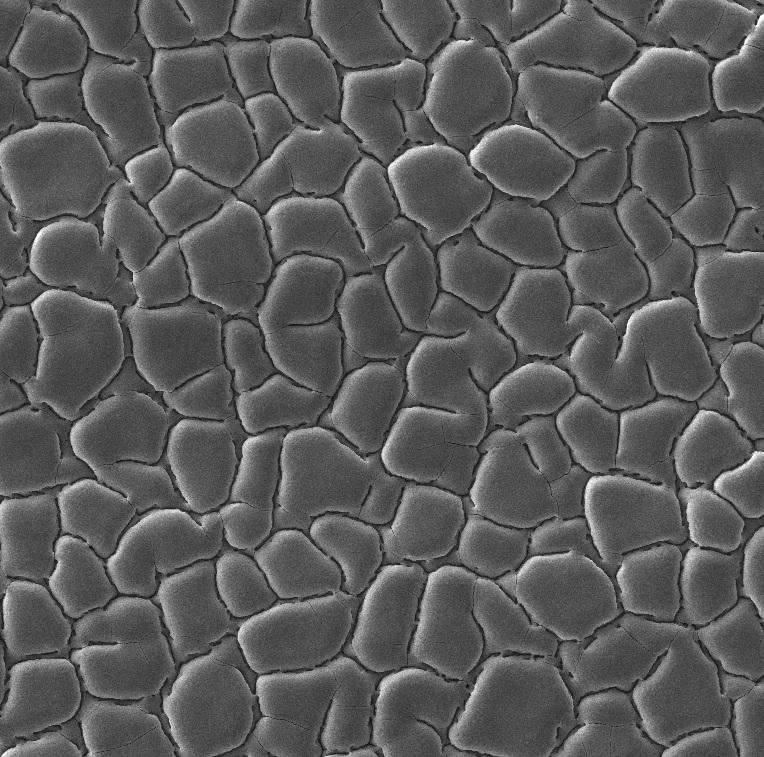
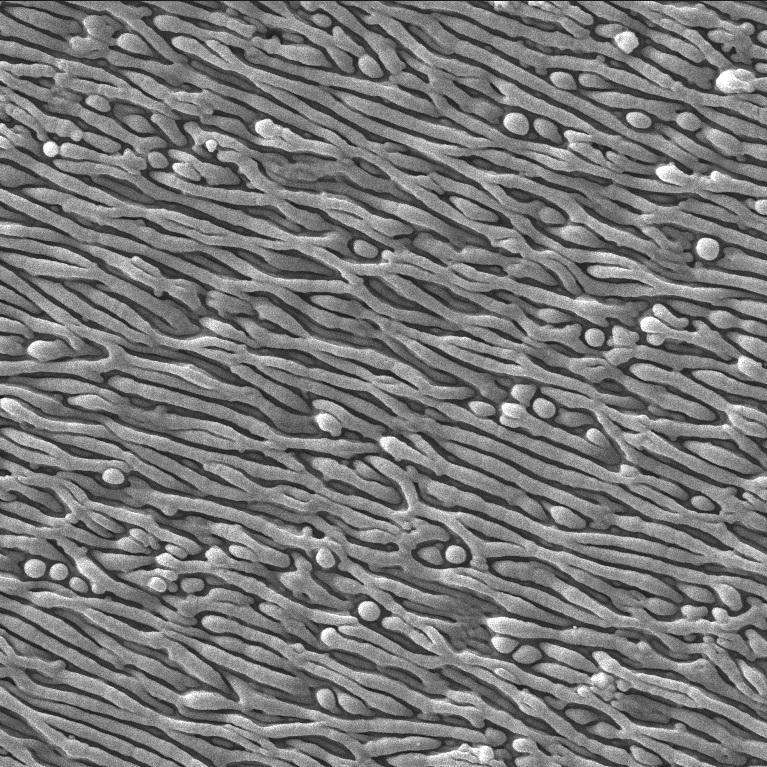
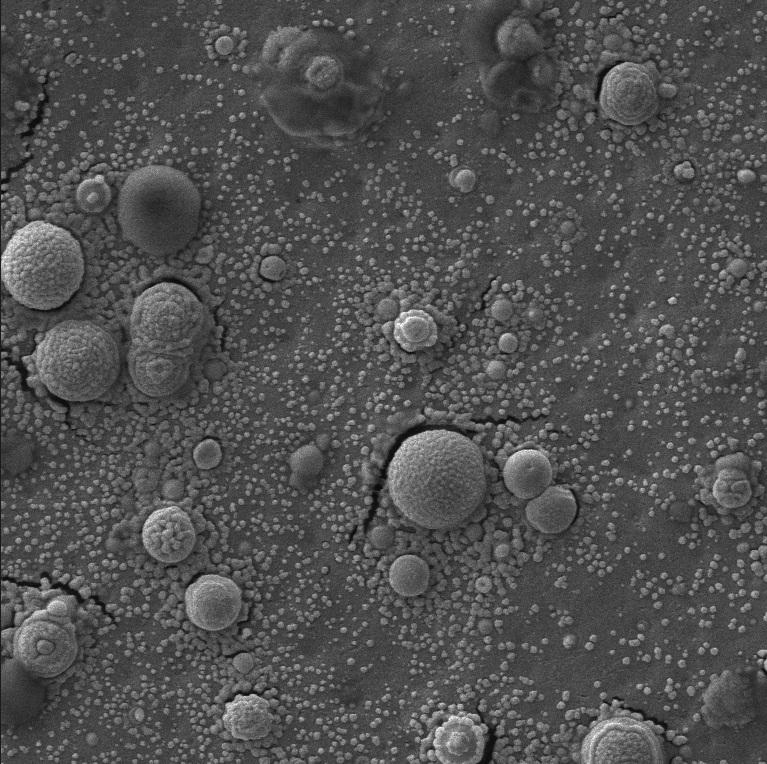
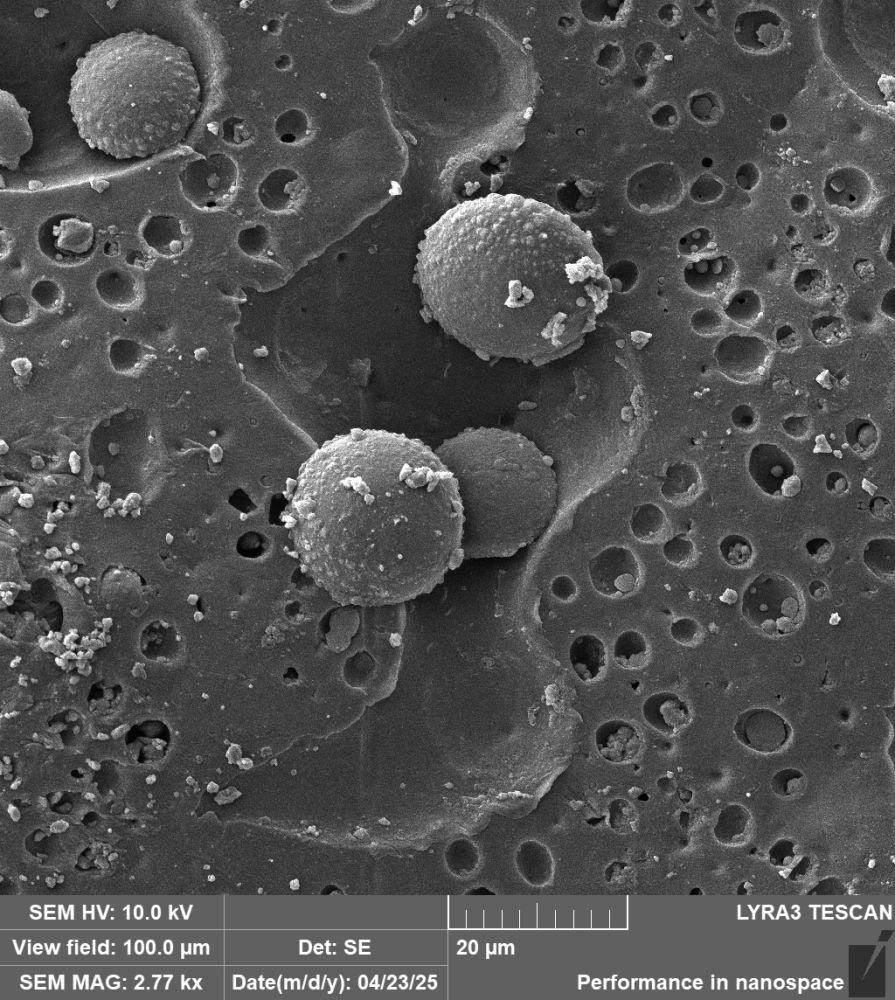
Preparation of functional micro- and nanostructures, periodic structures (LIPSS), porous and hierarchical surfaces, metal and carbon nanostructures, and polymer nanocomposites. - Biomaterials and tissue engineering
Development of polymeric, biopolymeric, and composite materials, hydrogels, and structured substrates for regenerative medicine and tissue engineering. - Biointeractions and antibacterial materials
Study of the relationship between surface chemical composition/morphology and biological response—specifically cell adhesion and proliferation, cytocompatibility, and antibacterial activity. - Characterization of surfaces and nanostructures
Comprehensive study of surface morphology and roughness, chemical composition, wettability, and other properties of prepared materials using advanced microscopy and surface analysis methods.
prof. Ing. Petr Slepička, Ph.D.
- Laser and plasma modification of polymers – targeted changes to chemical composition, morphology, roughness, and surface wettability.
- Laser-induced periodic surface structures (LIPSS) – fabrication of regular nanostructures and investigation of their physicochemical and biological properties.
- Metal nanostructures and thin films – metal deposition on solid substrates, subsequent reorganization and study of metal-polymer interactions, and laser-induced dewetting.
- Biopolymer micro- and nanostructures – structuring of biocompatible polymers and fabrication of hierarchical or porous structures, including "honeycomb" structures.
- Materials for tissue engineering – study of the influence of surface chemistry and topography on cell adhesion, proliferation, and orientation, and the development of materials suitable for contact with the biological environment.
- Antibacterial surfaces – combination of polymer substrates and metal nanostructures to achieve antibacterial activity while maintaining suitable cytocompatibility.
- Carbon nanostructures and composites – fabrication of novel carbon structures and combination of carbon with metals and polymer materials.
- Characterization of surfaces and nanostructures – primarily AFM, SEM, and FIB-SEM, complemented by the study of physicochemical surface properties.